Bring clarity, capability, and
consistency to your workforce.

The construction industry is one of the most hazardous sectors, with high rates of workplace injuries, illnesses, and fatalities. In the past few years, the industry has seen millions of incidents across the globe, from minor injuries to life-threatening accidents.
In an industry that depends heavily on human labor, we need to change the way we approach health and safety, and ensure that every worker gets home safely at the end of the workday. And while the human element will always be vital in construction, innovations such as Virtual Reality (VR) training are one solution to prepare teams for real-world risks, prevent accidents, and improve safety outcomes on job sites.
Traditional safety training in construction often relies on lectures, manuals, and on-site walkthroughs. While useful, these methods can fail to adequately prepare workers for real-world hazards. Construction sites worldwide have become some of the deadliest workplaces, ranking just behind agriculture, forestry, and fishing.
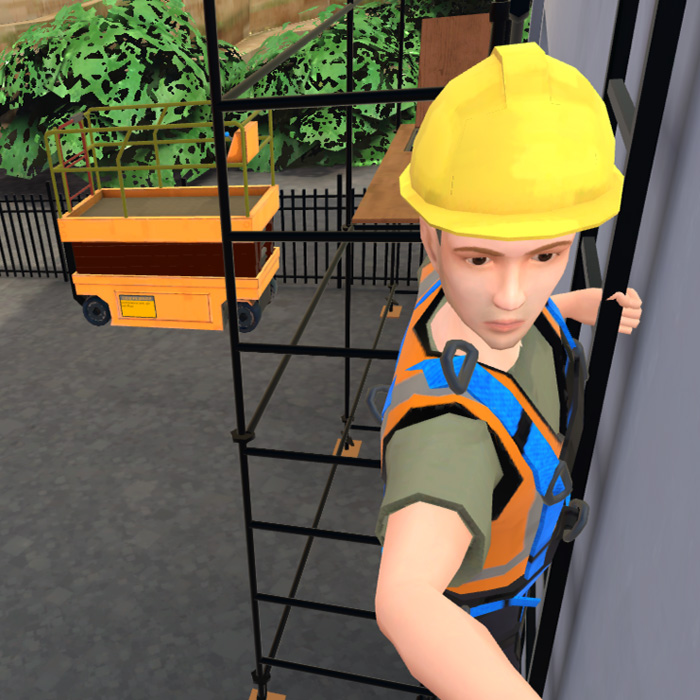
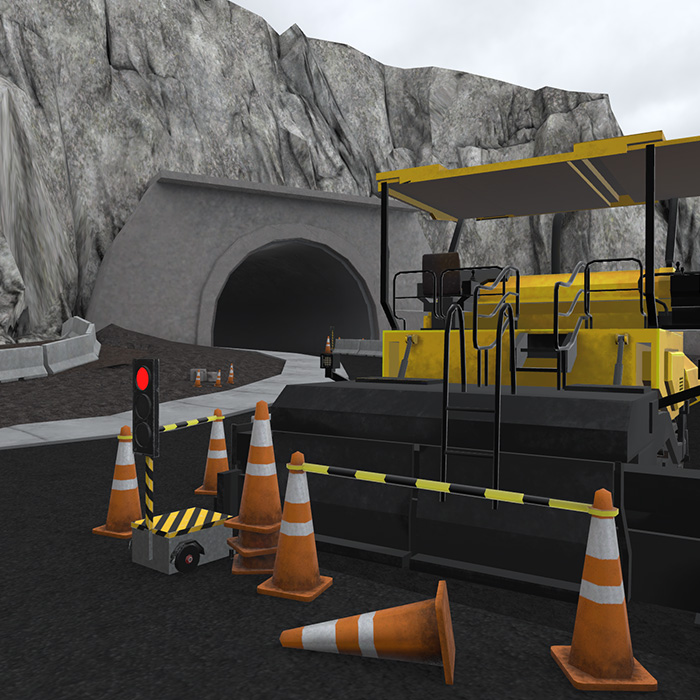
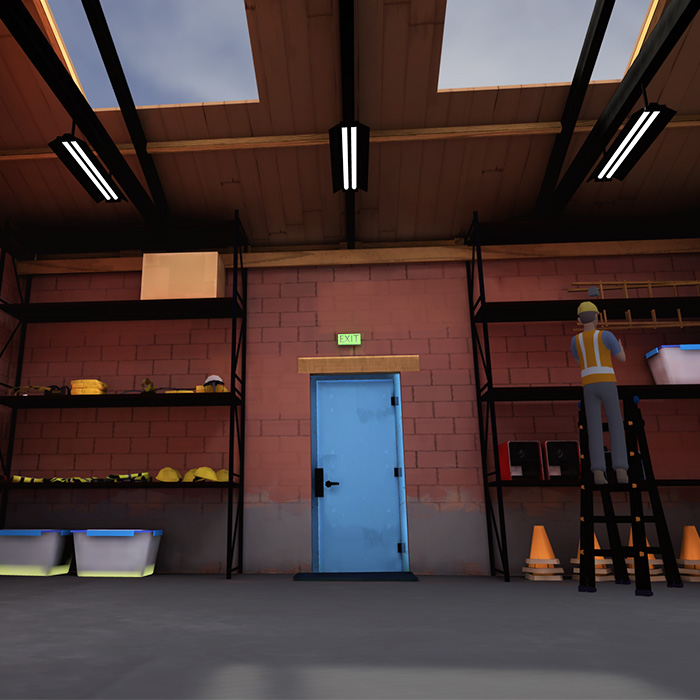
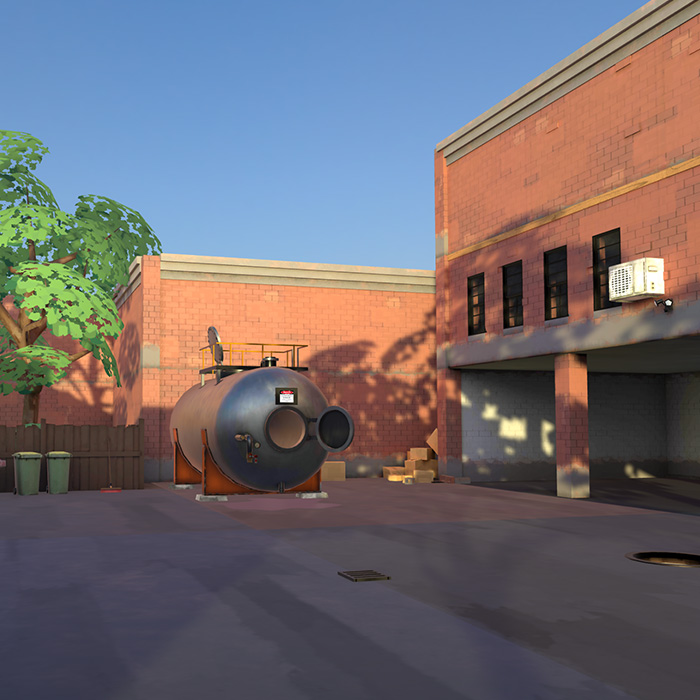
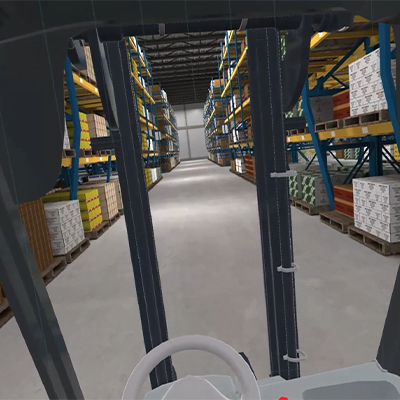
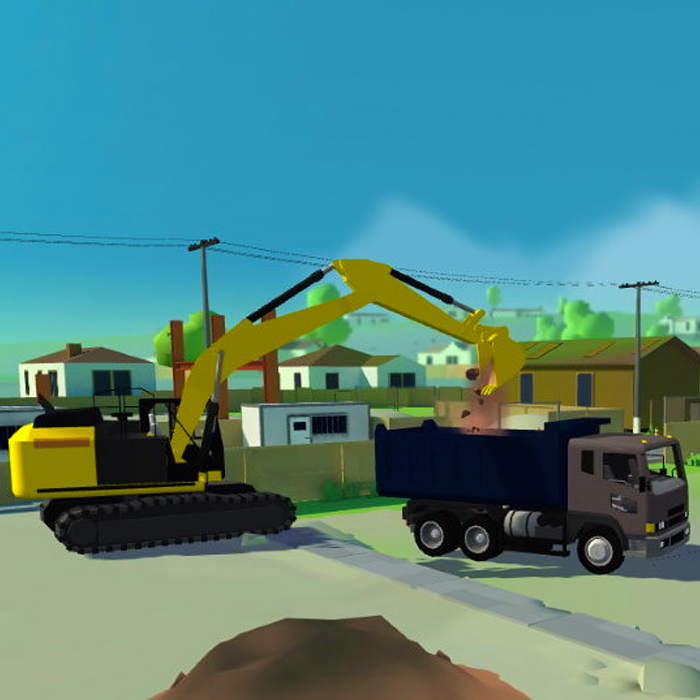
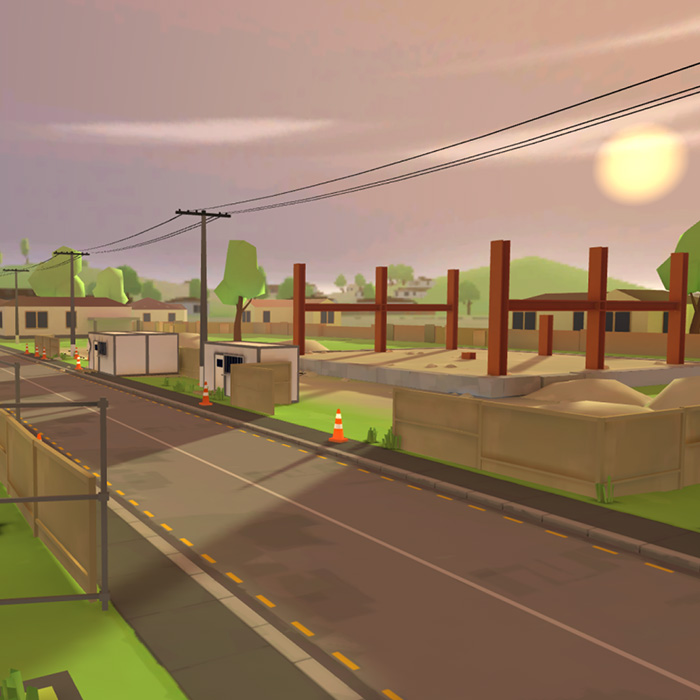
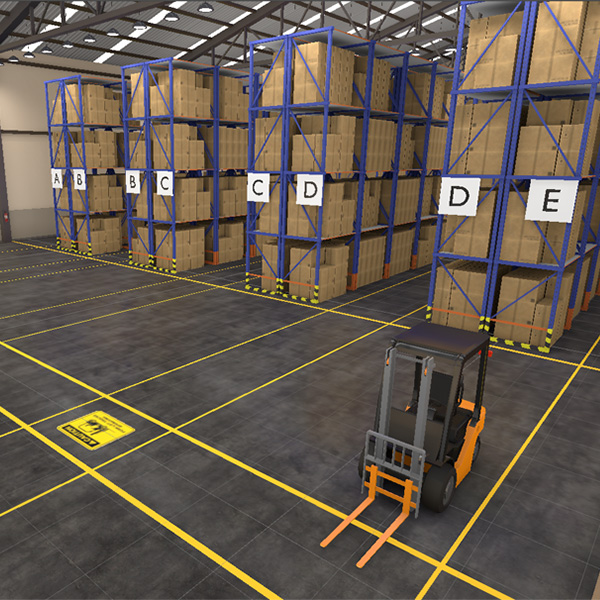
VR training uses virtual reality technology to immerse workers in a simulated construction site. Through headsets and controllers, trainees can experience realistic scenarios safely and quickly, building confidence and competence in these high-risk skills before beginning work.
Through our Marketplace, SkillsVR offers a comprehensive suite of VR training modules designed for the construction industry. These industry-tested experiences allow teams to gain hands-on experience in managing risks and performing tasks safely, without ever leaving the training room.
1. Time-Saving Efficiency
In traditional training, workers are pulled 'off-the-tools' for hours or sometimes days. With VR, training sessions are shorter and more focused. For example, our Site Safe Foundation Passport VR experiences reduce a six-hour course to just one hour, saving valuable time while maintaining the depth of training.
2. Cost Reduction
VR training minimizes financial risks by reducing workplace incidents, lowering insurance premiums, and avoiding fines for non-compliance. Our clients also report fewer recruitment costs thanks to better worker retention and reduced downtime.
3. Mastering Complex Tasks
High-risk activities, such as working at heights, can be practiced repeatedly in VR - as many times as needed. Workers can master these tasks in a VR before performing them in real life, significantly lowering the risk of errors.
4. Fewer On-Site Incidents
With VR, workers repeatedly encounter and respond to simulated hazards, building muscle memory and situational awareness. Through VR, logistic company DHL have reported a 25% decrease in on-site incidents within the first year of implementing the training.
Brian Perry Civil
For companies like Brian Perry Civil (Fletcher Construction), VR training has had a huge impact. They report better engagement, reduced downtime, and a new appreciation for safety. Workers who complete the VR Site Safe module express increased awareness of risks and demonstrate better skill recall. VR training has quickly become a key driver in reducing downtime and improving safety outcomes, saving this client around $55,000 annually in lost time due to incidents.
Beyond the business benefits of cost savings and reduced incidents, VR training creates a change in mindset. Workers can make mistakes in a virtual environment without fear of injury or punishment, which allows them to learn and build confidence. Safety-first culture is front of mind, and workers feel empowered and prepared for their jobs.
"100% better - my concentration lapses after about 10 seconds in a classroom, so this really kept me focused."
(VR Site Safe Learner)
In the past, many workers were hesitant to engage in safety training because it was seen as tedious or disconnected from real work scenarios. VR, however, brings training to life, making it interactive and engaging. As a result, workers are more likely to take safety seriously and apply what they've learned on the job.
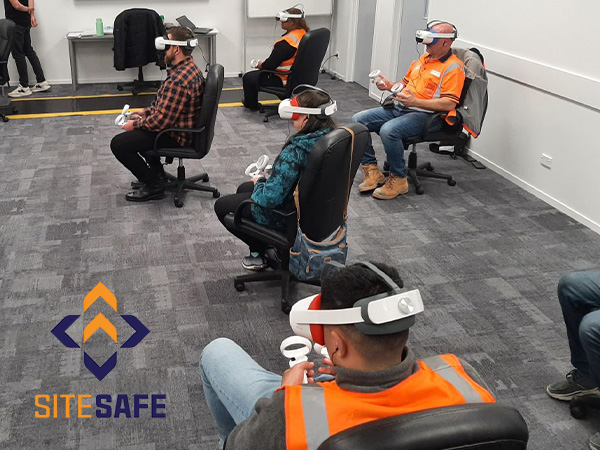
As the construction industry continues to face challenges around safety, recruitment, and training, VR stands out as a powerful solution. By offering a more immersive, engaging, and effective way to train workers, VR not only improves safety outcomes but also helps companies save money, reduce downtime, and build a more competent workforce.
For construction companies looking to stay ahead of the curve, VR training represents the future of safety training. One that prepares workers for the real-world challenges they’ll face on-site while minimizing risks, downtime, and costs.
At SkillsVR, we transform learning into an engaging and enjoyable experience. Our VR training solutions are cost-effective, easy to implement, and scalable to meet your needs. Backed by a team of world-leading experts in immersive learning, we're dedicated to ensuring exceptional training outcomes to elevate your organization’s potential. Join us in unlocking the future of training and achieving impactful results.