Bring clarity, capability, and
consistency to your workforce.

The world of learning is changing fast, and XR (Extended Reality) is at the forefront of this transformation. In 2025, XR will not just be a buzzword but a mainstream tool, enhancing how we train and learn in both professional and educational settings.
The XR market is booming. In 2022, the global value stood at $30 billion, but by 2031, it is projected to skyrocket to more than $520 billion. The rise in practical applications, from immersive learning to AI integration, is driving this growth.
The expected market value for AR/VR by 2031. (Source)
Number of workers expected to adopt VR training globally by 2030. (Source)
Percentage of teachers who want more VR and AR in education. (Source)
AI is revolutionizing XR. In training, AI analyzes learner behavior, adjusting training materials in real-time based on performance. By 2025, AI-driven XR training will be the norm in fields like healthcare, manufacturing, and customer service. At SkillsVR, we see the transformative impact of Generative AI training every day. Our Marketplace offers a range of intuitive modules that prioritize tailored learner pathways with feedback and guidance unique to each individual learner.
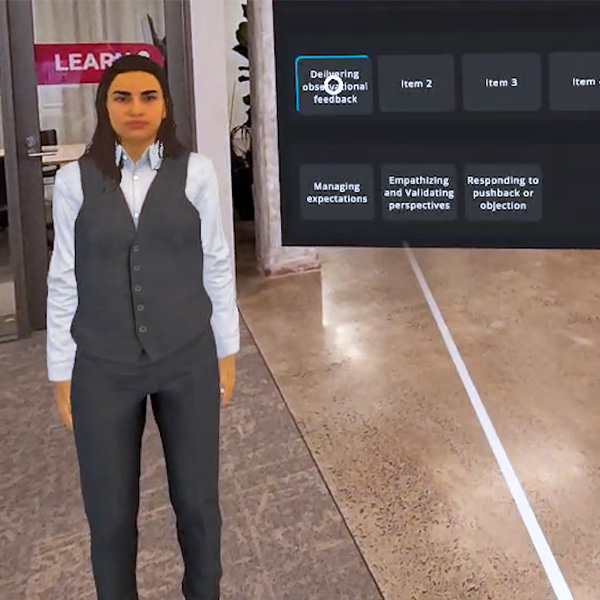
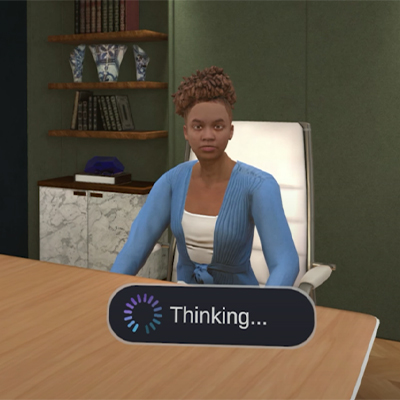
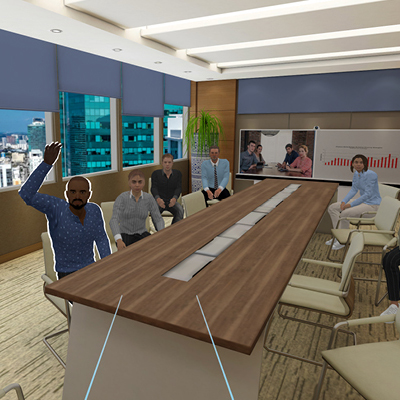

Augmented Reality avatars are taking the XR experience to the next level. Digital assistants, powered by AR glasses or smartphones, are increasingly used in customer service, retail, and education. By 2025, AR avatars will be standard in training, providing personalized, interactive support during every session.
With attention spans shrinking, microlearning is taking over corporate training. Employees will be able to learn in short, focused bursts, accessing videos, infographics, and quizzes on demand. This quick format means they can upskill without interrupting their busy workday. Immersive tech like VR and AR will make these sessions more engaging, helping employees retain what they learn in less time.
As remote and hybrid work continue to grow, training programs will adapt with more interactive elements. XR tech will bring these tools to life, allowing employees to collaborate and practice no matter where they’re located.
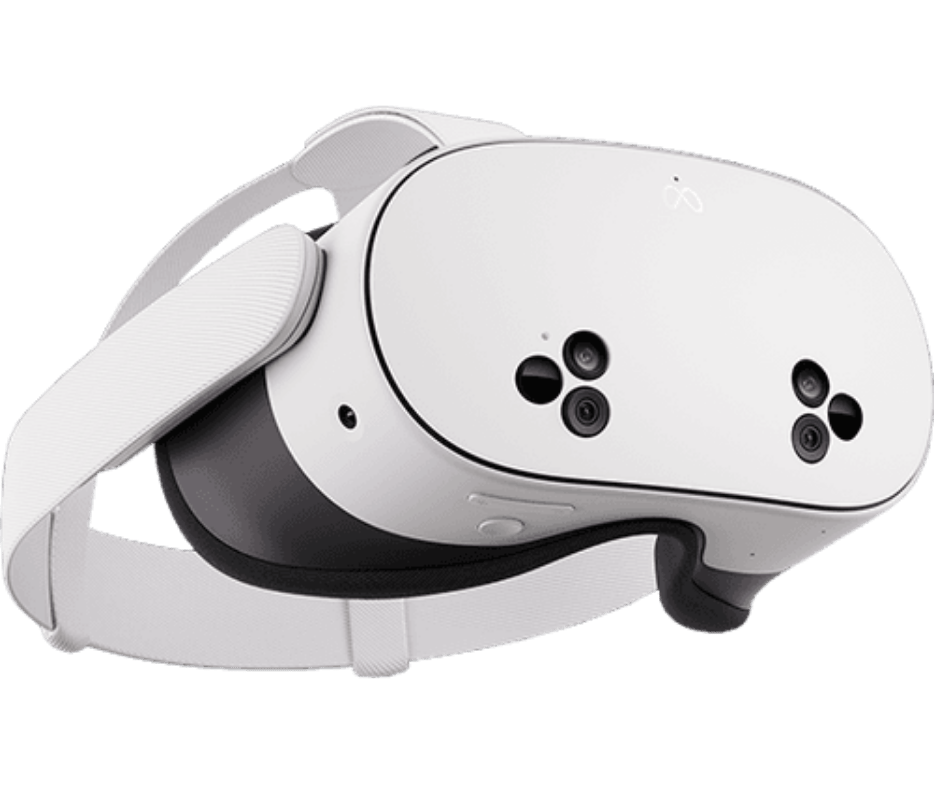
Smart glasses, headsets, and other wearable devices will become increasingly common by 2025. These devices will be lightweight and comfortable, integrating AR and VR seamlessly into our daily routines. These devices will make training not only more immersive but also more convenient.
In 2025, companies will focus on a culture of continuous learning. Instead of one-off training sessions, employees will have access to ongoing learning platforms, blending formal courses with self-paced options. XR will play a key role, offering realistic simulations and on-the-job practice, keeping employees adaptable and ready for whatever comes next.
Education
In classrooms, XR will transform how students interact with learning materials. We expect this technology to become a staple in K-12 and higher education by 2025, enabling more interactive and effective learning. Our global Schools Program reaches hundreds of high schools globally, providing students with access to world-class learning. This program prioritizes key life skills that may not otherwise be taught in a traditional classroom environment. Additionally, a report from The Global Alliance for Sustainability in Education highlights how 67% of universities now incorporate sustainability in their strategic plans - meaning sustainability education will become a key consideration moving forward.
Corporate Training
Through our customers, we've seen the potential of XR in corporate environments. In 2025, this will become commonplace. More companies will use it to improve soft skills like public speaking, sales, and negotiation. Employees will also train for high-risk situations, such as medical procedures and safety protocols. VR will continue to help employees learn by doing, increasing retention and engagement. New, affordable headsets like the Meta Quest 3S will world-class training more accessible to businesses, reducing the need for in-person training, saving costs on travel and equipment. It will also speed up onboarding, allowing new hires to learn about and trial roles remotely. As more businesses adopt VR in 2025, it will become the go-to tool for training.
Healthcare
By 2025, XR training will become a mainstream tool in healthcare to address ongoing staffing shortages and the need for improved patient care. With a projected shortage of 13 million nurses by 2030, XR will help ease the pressure on healthcare systems by providing immersive, realistic training for new and existing staff. Studies show that VR training enhances clinical skills, boosts self-confidence, and significantly improves knowledge retention. Additionally, XR can enhance soft skills like empathy and communication, which are critical for patient care. As more healthcare organizations adopt XR, it will lead to better-trained staff, reduced turnover, and more compassionate patient interactions. Read the full whitepaper here.

Warehousing & Distribution Centers
By 2025, VR training will be common in warehousing and distribution centers as a solution to high turnover and workplace injuries. With the industry experiencing high injury rates, including 34,900 forklift-related accidents annually, VR will offer a safer way to train workers. It allows employees to practice tasks like forklift operation and safety protocols in a risk-free environment. Studies show that VR training boosts employee confidence, improving retention by up to 70% in the first 90 days. As more companies adopt VR, it will help reduce accidents, improve efficiency, and lower training costs across the industry. Read the full whitepaper here.
Customer Service and Retail
The future of VR training in retail looks promising, with immersive learning technology set to transform employee development and customer service. As retailers face growing pressures to improve training efficiency and employee engagement, VR has proven to be a game-changer, with 76% of companies reporting increased learning effectiveness compared to traditional methods. VR is an essential tool for improving customer interactions, boosting employee retention, and reducing turnover in the fast-paced retail environment. Read the full whitepaper here.
The question for businesses and educational institutions is: how prepared are you for this transformative shift? This technology is quickly becoming more accessible and cost-effective, so those who embrace XR fast will gain a competitive advantage. Now is the time to embrace immersive learning.